The parents who get the best outcomes from technology programs for their kids have one thing in common. They do not just ask where the program is or how much it costs. They ask what kind of person their child will become there. That question changes everything about the search.
I have worked in youth development for thirty years. I have watched hundreds of programs arrive promising transformation and deliver certificates. I have also watched a handful of programs produce the kind of growth that parents still talk about when their child is in high school — changes in patience, persistence, and confidence that have nothing to do with what the child built in a session. The difference between those two kinds of programs is not equipment or curriculum. It is whether character development is the structure or just the sales pitch.
The right technology program does not just teach your child to code. It gives them a measurable advantage in confidence, persistence, and teamwork that shows up everywhere else in their life.
What Coding, Robotics, and Esports Actually Teach Kids
The obvious answer is technical skills. Coding teaches programming logic. Robotics teaches engineering and design. Esports teaches strategy and competitive focus. Parents understand this part. What most program descriptions leave out is the character development that happens inside each of those environments — not as a side effect, but as the primary outcome when the program is designed correctly.
When a student writes code that does not run and has to read the error message and try again, they are practicing persistence. The computer does not care about their feelings. It tells them exactly what is wrong and waits. Most kids have never encountered feedback that honest before. The experience of receiving it, staying calm, and continuing to work is one of the most valuable things a technology program can provide — and it happens inside every debugging session.
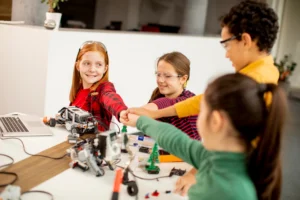
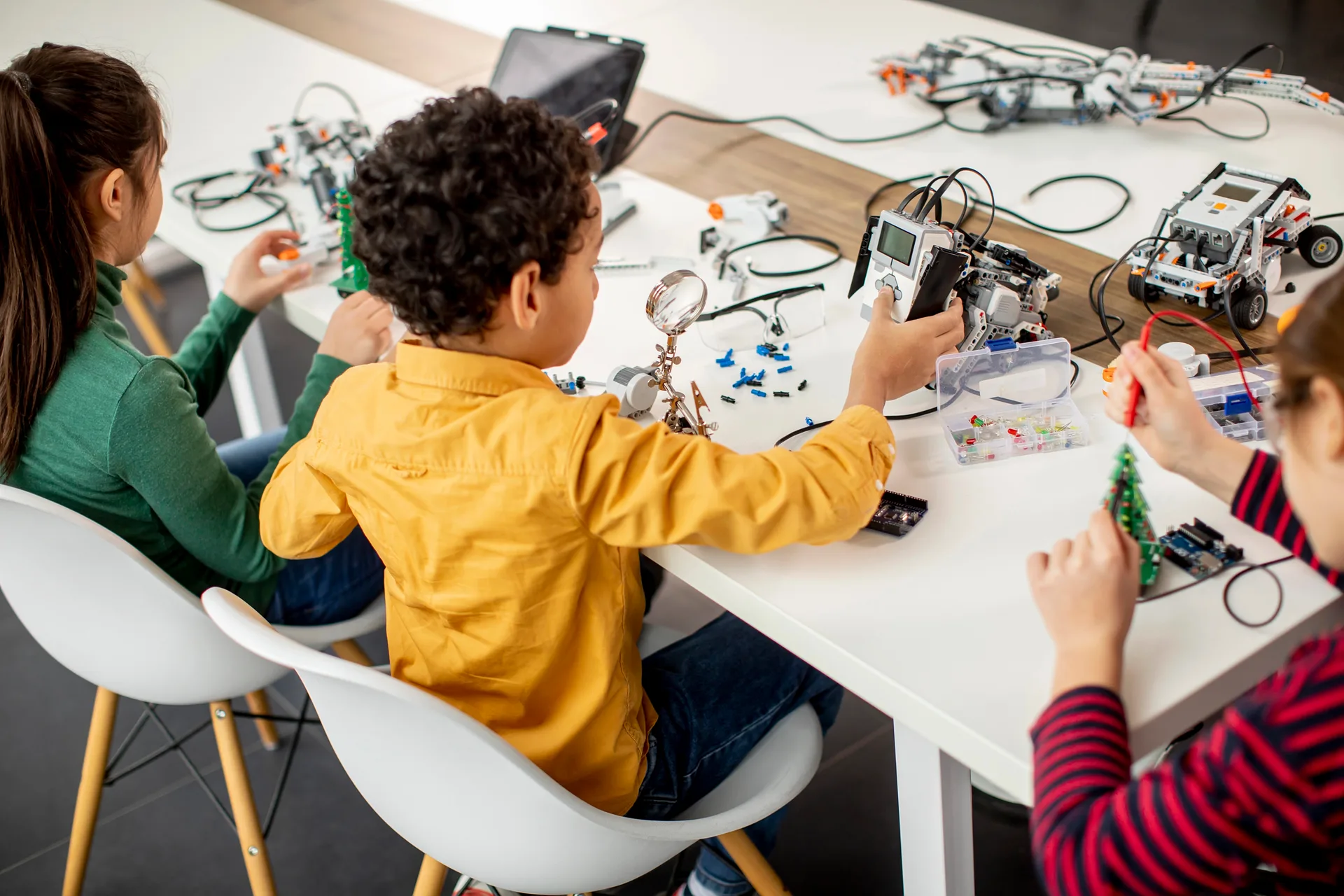
Robotics is a teamwork environment unlike most youth activities. Students cannot build a competition-ready robot alone. They disagree on design decisions. They manage the frustration of a teammate who is not contributing equally. They celebrate together when the machine they built does exactly what they designed it to do. That is not a simulation of collaboration. That is the real thing, in a low-stakes environment where learning from it is the whole point.
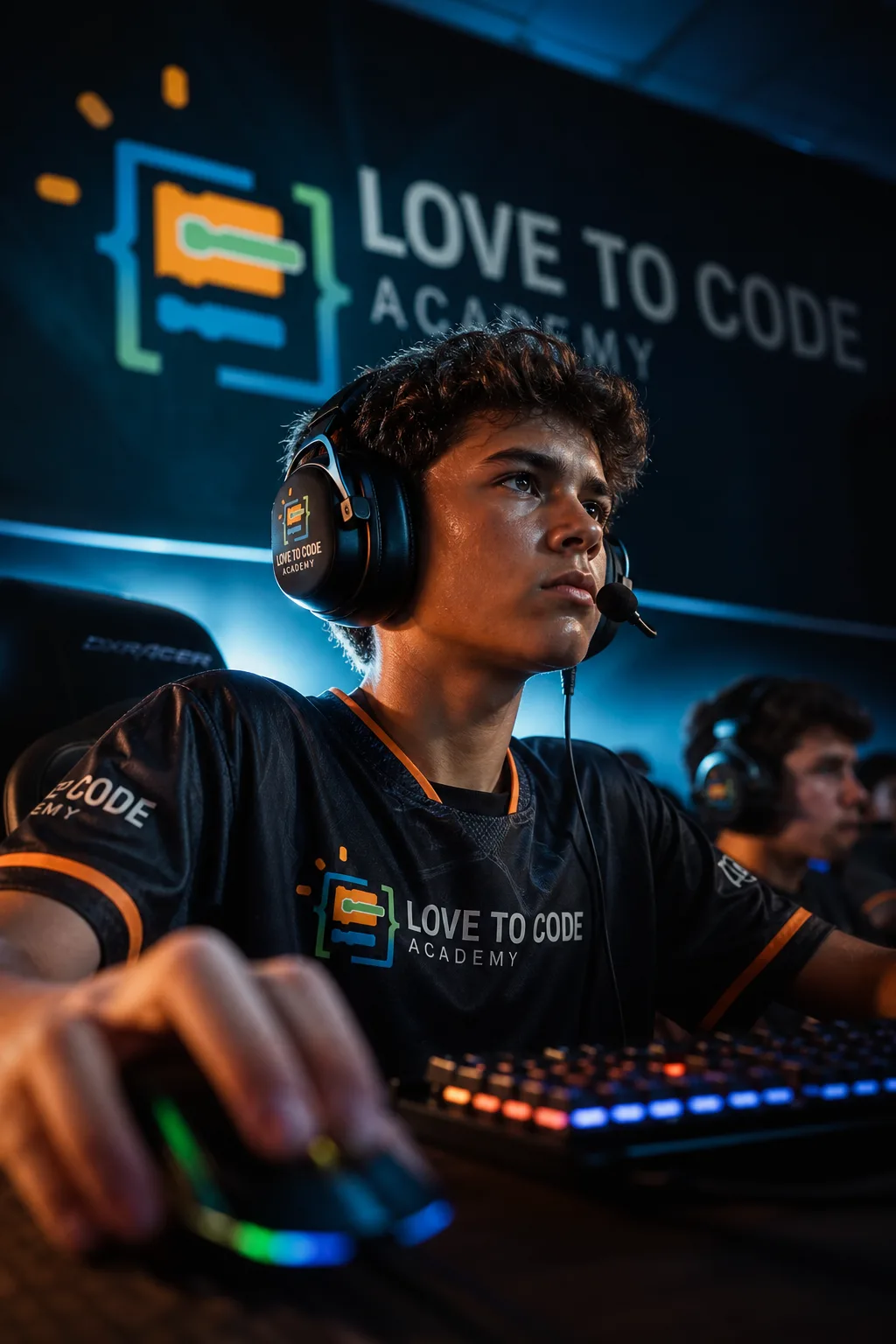
Esports teaches self-control under competitive pressure. A student who loses composure in a match becomes a liability to their team — and they learn this not from a lecture, but from the direct experience of what happens when they do not manage themselves. Love to Code Academy’s esports program builds this deliberately, every session.
How to Know If Your Child Is Ready
Most parents overestimate how much prior experience a technology program requires. They assume their child needs to have already shown interest in coding, be naturally strong in math, or be older than they are. None of that is accurate.
Love to Code Academy serves students in kindergarten through eighth grade. A five-year-old who has never touched a programming environment and a twelve-year-old with two years of experience can both thrive in a well-designed program — as long as the program is built to meet students where they are rather than where the curriculum assumes they should be.
The honest indicator of readiness is not technical. It is whether your child is curious about how things work, willing to try something new, and able to tolerate the experience of not getting something right on the first attempt. Those are the raw materials. Everything else — the coding, the building, the competing — gets developed inside the program.
What Separates a Program That Produces Growth From One That Just Produces Projects
Every technology program produces projects. Students build games, complete courses, earn certificates. That is not a differentiator. That is the baseline. The question that separates programs with real substance from programs with strong marketing is whether the character development is structural or decorative.
A structural character program means that every session has specific character expectations, instructors are trained to name character traits by name in the moment they observe them, and advancement requires demonstrated growth in both technical skill and character — not one without the other. A student who builds a technically correct project but has not demonstrated the required character traits at their level does not advance. Both dimensions are required.
At Love to Code Academy, this is not a promise in a brochure. It is the operating system the program runs on. The coding program uses a belt system — nine levels from White to Black — that tracks character and technical skill development together. Families in Liberty, MO and across the Kansas City northland choose LTCA because they want to see the growth, not just hear about it.
After-School Programs vs. Camps vs. Competition Teams
Technology programs come in formats that serve different purposes. Understanding the difference helps you choose the right first step for your child.
After-school programs are the most consistent environment for character development. They run weekly throughout the school year, which means students encounter the same challenges, the same teammates, and the same coaching expectations week after week. Consistency is where character is built. A child who practices persistence in a single session does not develop persistence. A child who practices it every week for a semester does. LTCA’s after-school programs are built on this principle.
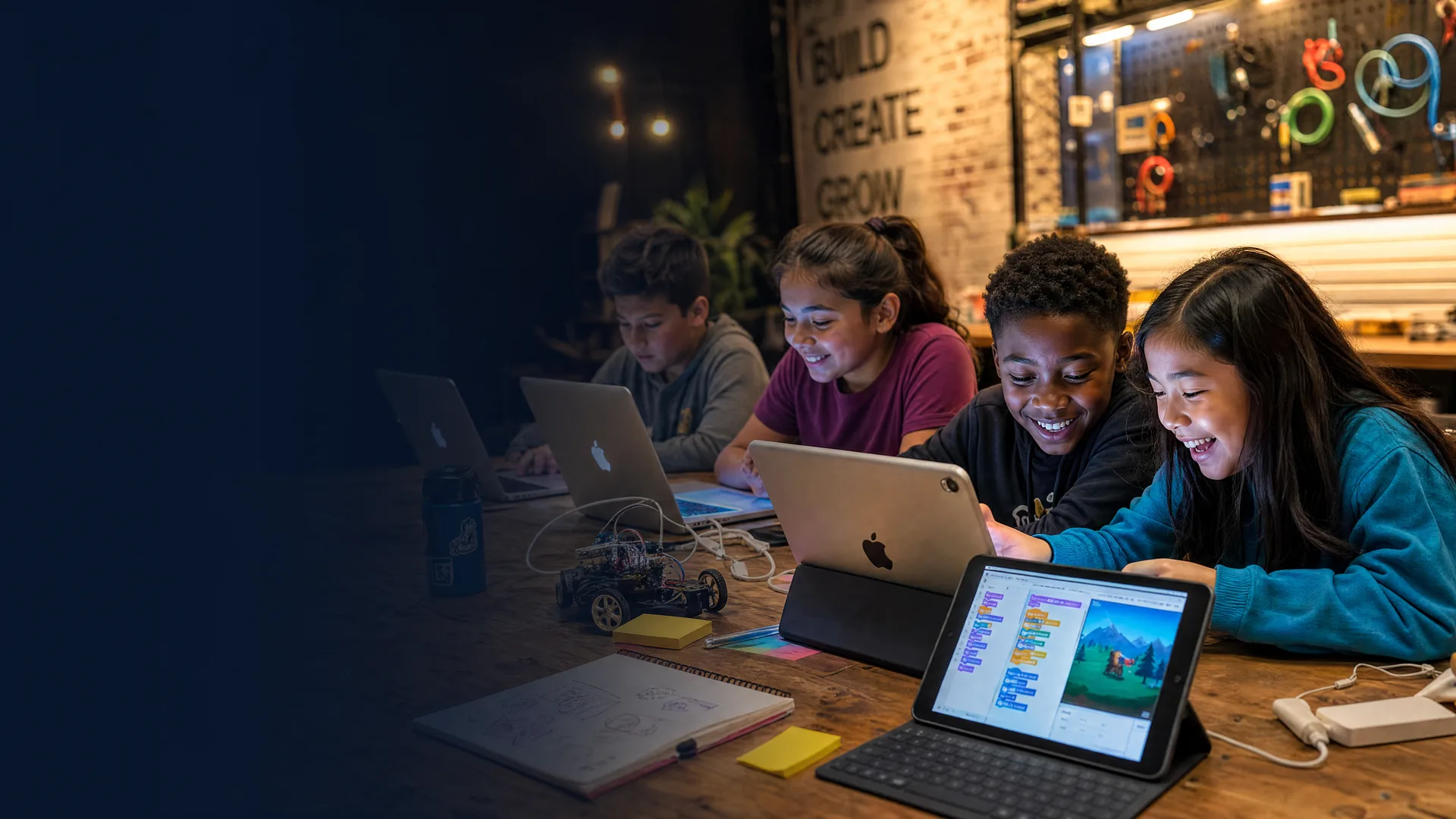
Camps are a lower-commitment entry point — a complete, meaningful experience in a shorter format. They are an excellent first step for families who want their child to try a technology environment before committing to a semester program. The camps at LTCA are designed to give students a real taste of what the program is, not a watered-down version of it.
Competition teams are for students who are ready for higher stakes. The pressure of real competition accelerates character development in ways that structured weekly sessions alone cannot. Students who compete develop self-control and sportsmanship not because they are taught to, but because the consequences of not having them are immediate and visible to everyone on the team.
What the First 30 Days Should Look Like
I want to tell you something about first sessions that most program descriptions skip. The first month is about belonging, not mastery.
I have watched hundreds of children walk into a new program environment over the years. The ones who stay and grow share a common first month: they find out they belong there before they find out they are good at it. A kindergartner I think about often sat at the edge of the group for the first two sessions. Did not touch the keyboard. Just watched. Her instructor did not push. By session three, she was the first one to sit down. By the end of the semester, she was explaining her project to the group without being asked. That arc — from afraid to try, to confident enough to teach — does not start with technical skill. It starts with belonging.
In the first 30 days, watch for comfort, not accomplishment. Is your child willing to come back? Are they talking about what they made, even in small ways? Are they becoming less afraid to try? That is the first 30 days working correctly.
How to Evaluate Ongoing Progress
The best programs make growth visible. You should not have to guess whether your child is developing. The belt system at Love to Code Academy makes both dimensions of growth — technical and character — trackable. Parents know exactly what belt level their child is at, what the next level requires, and what specific behaviors the child needs to demonstrate to advance.
Beyond the belt, watch for changes at home. Parents consistently notice these before instructors report them: a child who stays in a frustrating homework problem longer than they used to. A child who helps a younger sibling through something hard without being asked. A child who manages a tough loss with more composure than six months ago. Those are not small things. Those are what the best coding program for kids actually produces. Not the certificate. The child.
The traits that grow here — persistence, teamwork, and integrity — are the ones parents notice first at home. If you want to find the right program for your child — whether that is coding, robotics, or esports — enrollment is open. If you want to talk through the fit first, we are here for that conversation.