Minecraft and Roblox Coding Classes: Turning Screen Time Into Real Creation
Most parents watch their ten-year-old disappear into Minecraft for hours and see a screen habit they wish they could break. Noah’s parents saw the same thing, until they looked closer. Alongside his game ran a few lines of text he had written himself, a script to raise a stone keep block by block. He was not lost in mindless screen time. He was building. That is the shift structured minecraft coding classes are designed to create, turning a game kids already love into a place where they learn to create, collaborate, and stick with a hard problem. This guide explains how minecraft coding classes and roblox coding for kids help players grow into builders.
Where the Spark Begins
Noah’s story starts the way many do in our classroom. The basic game had lost its pull. Mining ore and dodging digital spiders felt routine, so we showed him command blocks, the special tiles that run simple lines of code inside the game. He typed his first line, pressed a button, and watched a hundred chickens burst into existence at his feet. The feathers and the noise made him laugh, but something bigger clicked. He could bend the rules of the world with a few words of text. Kids have a huge appetite for logic when the results are instant, playful, and a little chaotic. A dry black screen puts them to sleep. A sandbox they already love keeps them fully engaged. That single moment shapes how we teach, because play is the most reliable gateway to computer science we know.
Making Big Ideas You Can Touch
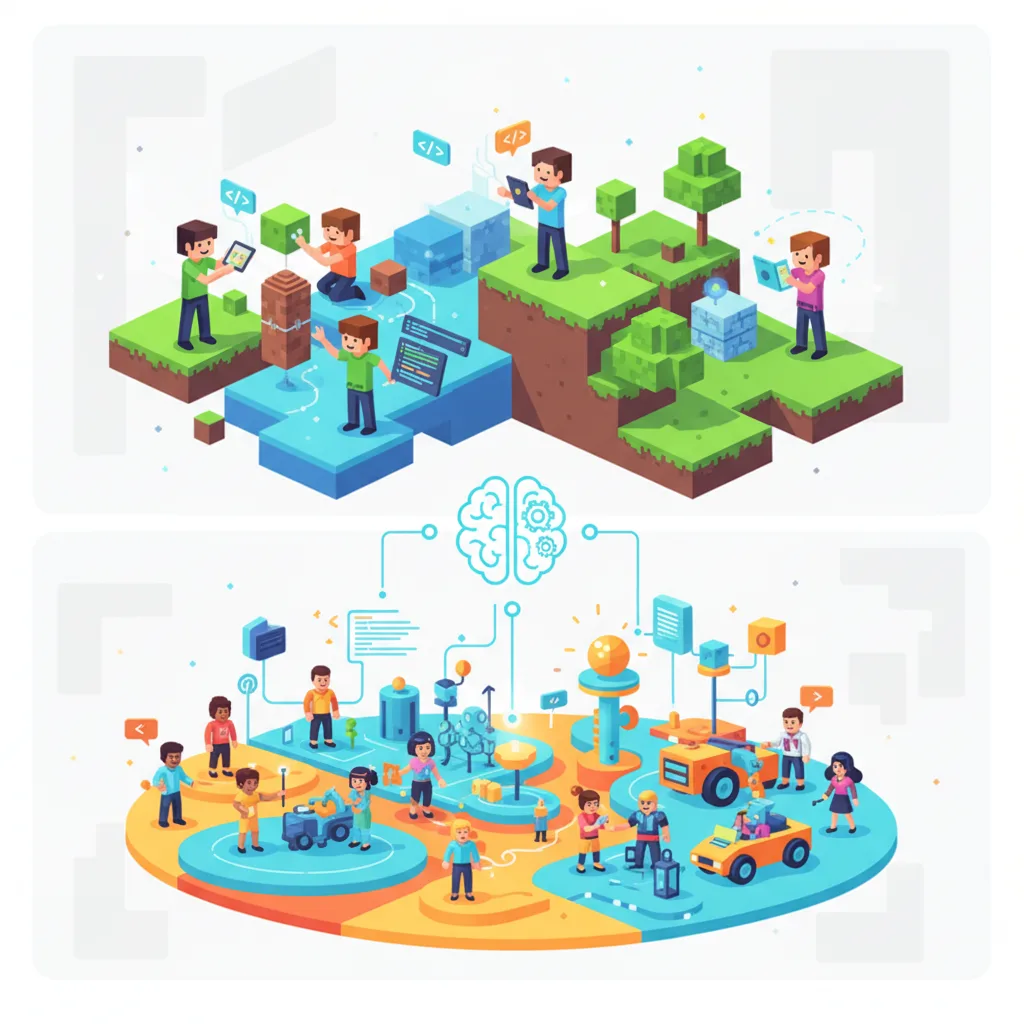
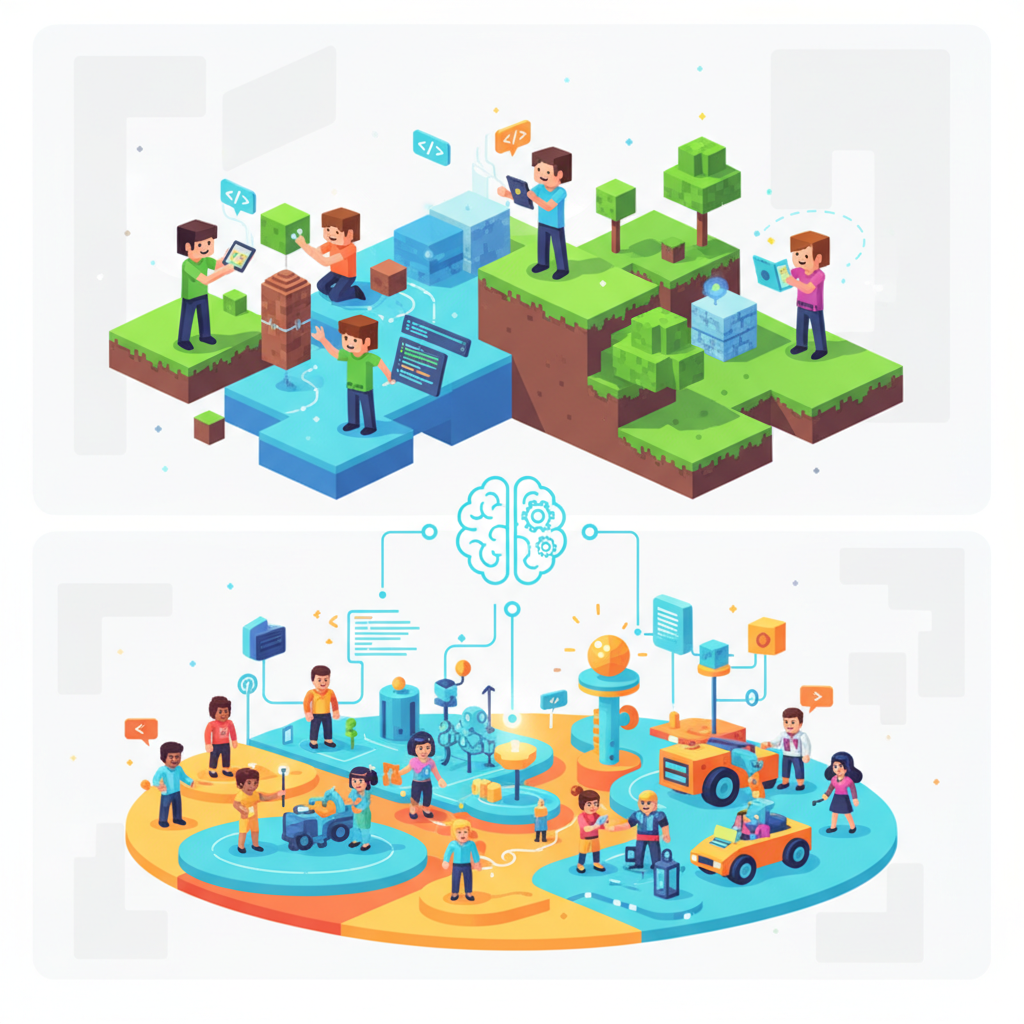
Many computer science lessons open with abstract math that feels useless to a ten-year-old. minecraft coding classes drop those same ideas into a living, three-dimensional world instead. To build a bridge that assembles itself, a student has to understand coordinates. They learn the X, Y, and Z axes because they need to tell their building robot exactly where to place each block. No worksheet required. They pick up loops and conditions by solving problems that annoy them. Rather than clicking a mouse a thousand times to clear a mineshaft, they write a short loop in Python or JavaScript, and a little robot digs the path and leaves a trail of lights behind. When the code has a bug, the robot spins in circles or the game freezes. Noah sees the mistake right away, fixes it, and tries again. That cycle of writing, failing, and adjusting is exactly how real engineers work, and it teaches patience as much as it teaches code.
Where Creativity Meets Real Engineering
The best moments arrive when creativity and engineering meet. In class, kids build with redstone, a material that behaves much like copper wiring. They use it to make logic gates, switches, and automated systems, and before long they have working combination locks, crop harvesters, and simple calculators. They are learning hardware and boolean logic long before anyone hands them the formal terms. Studies from schools like the Massachusetts Institute of Technology point to game-based learning as a strong builder of computational thinking. The reason is simple. There is no penalty for failing here. If a circuit stays dark, Noah swaps a block and presses the button again. He builds grit, treating each mistake not as a grade but as a clue toward the answer.
Leveling Up with Roblox
Minecraft is a strong start, and roblox coding for kids opens the next door into real game design. Roblox runs on a tool called Roblox Studio, which works much like the software behind commercial games. Here kids step away from block grids into a world of physics, lighting, and live coding. They write scripts in Luau, a fast and lightweight language. To build a simple obstacle course, a young designer handles player touch events, tracks collisions, and codes a working scoreboard. The learning curve is steeper, but the pull to share a custom world with friends keeps kids moving. Some even earn virtual currency they can trade for real money, and that reward makes the hard work of debugging feel worth it.
Designing for Real Players
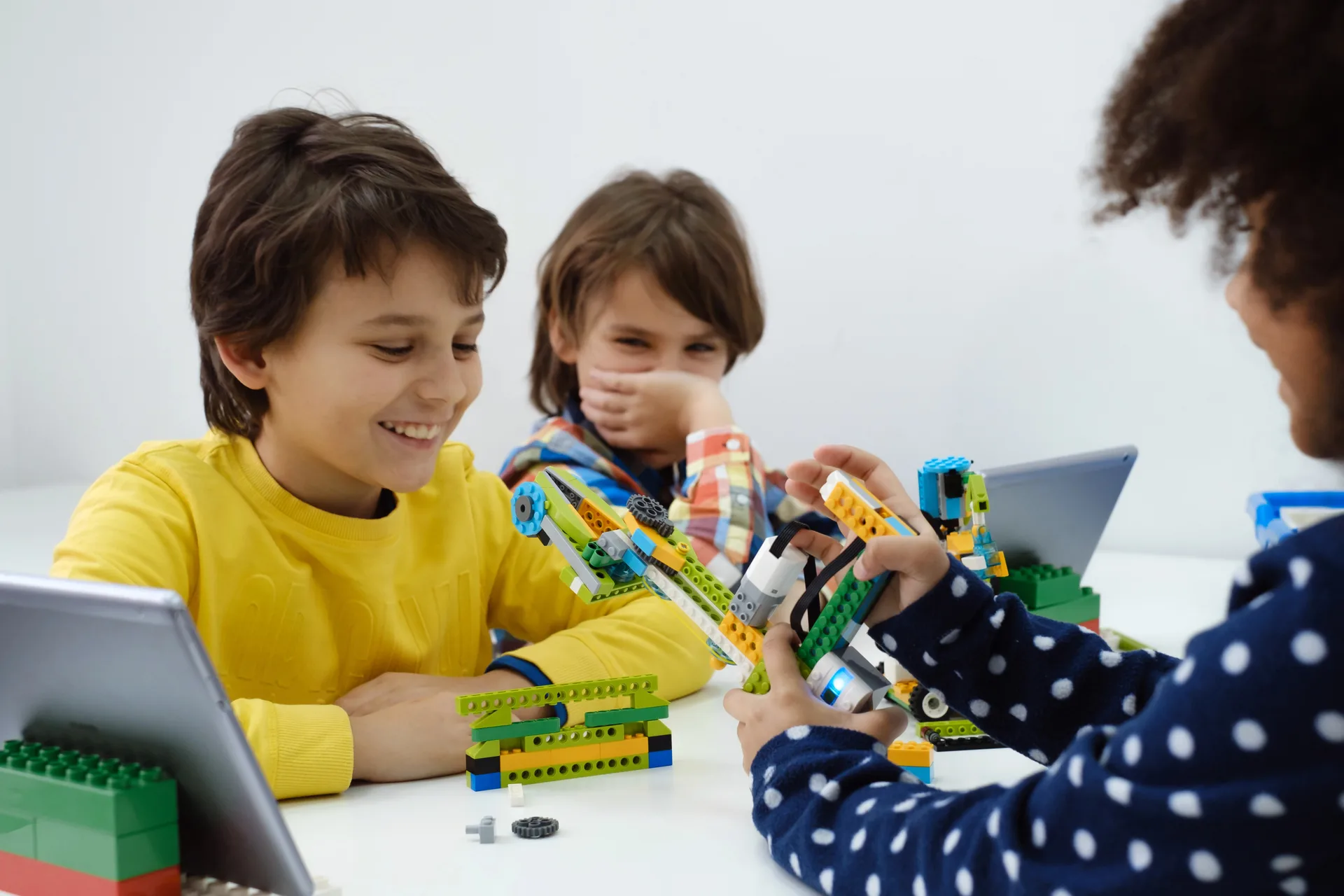
Code is only the tool. The real craft is shaping an experience someone else enjoys, and that is where structured game design courses for youth make the difference. Strong classes teach kids to think about how players feel, how a level flows, and how a game paces its challenge. During workshops, students watch friends test the games they built. Seeing a friend get stuck on a tricky level teaches empathy faster than any lecture. They notice where players struggle, then return to the keyboard to smooth out the frustration. That is the same loop professional studios use every day. When a child sees code as a way to make other people happy, their whole relationship with technology shifts. They stop thinking of themselves as players and start seeing themselves as builders of worlds.
Setting Kids Up to Succeed at Home
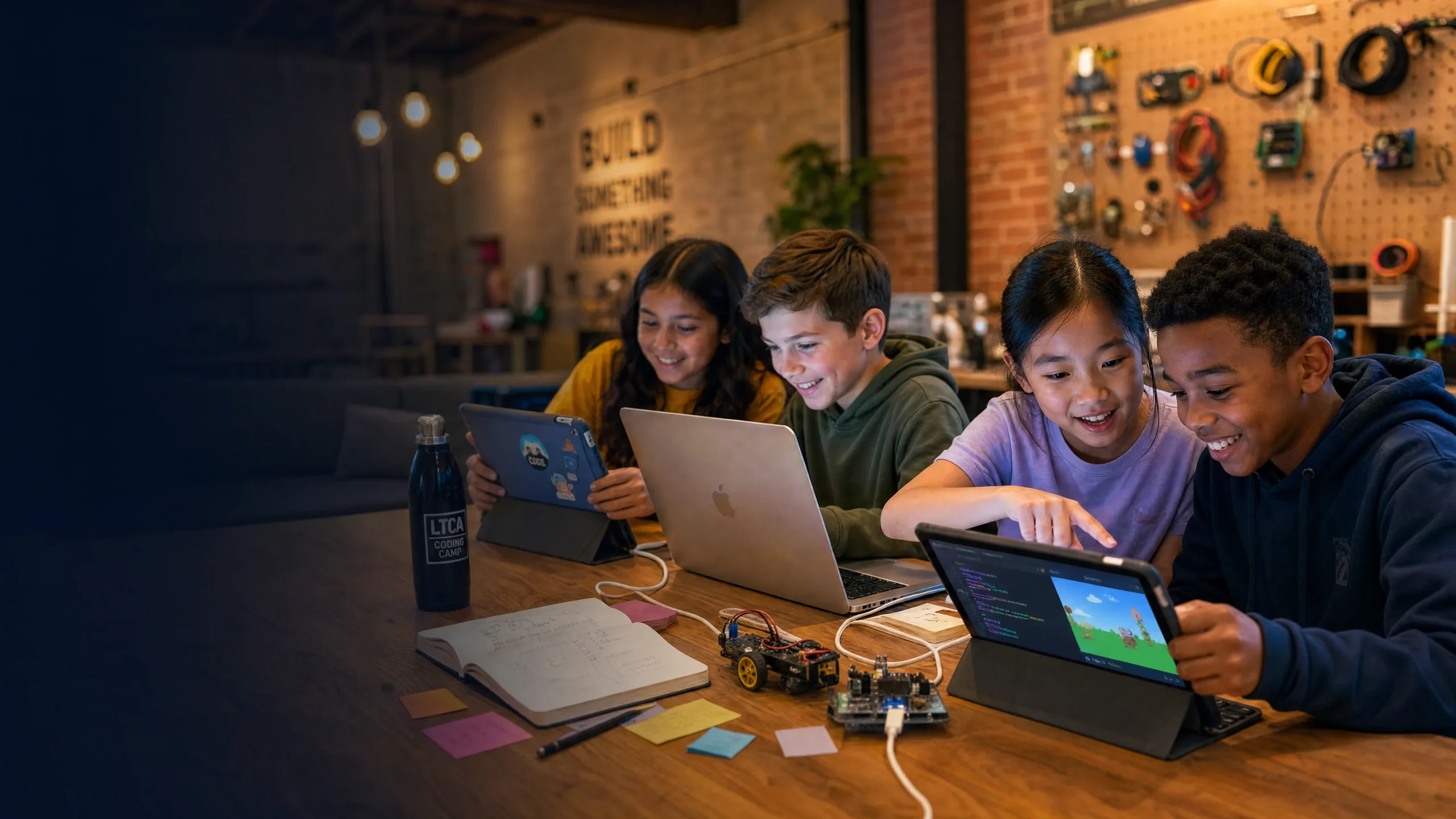
A little structure at home goes a long way. Making educational gaming productive starts with the right gear. A desktop or laptop with eight gigabytes of memory and a real mouse changes everything. Coding on a tablet or a console with a controller is frustrating, because writing code needs a proper keyboard. It also helps to separate playing time from building time. Set aside hours where the computer is a workshop for coding and creating, not for gaming. When kids know that time is reserved for building, they settle in and focus. Parents can help most by asking their child to explain how a script works. Saying the logic out loud helps kids understand it more deeply, and it turns a quiet screen activity into something the whole family shares.
What Your Child Really Takes Away
Moving a child from watching screens to creating with them is a rewarding shift, and the thinking skills it builds last far beyond any single game. Start with structure. Focused minecraft coding classes build the spatial reasoning and core logic that computer science depends on. Tools like Roblox Studio come next, adding real software design and a first taste of running a small business. Layer in game design, and kids learn to consider other people, build empathy, and solve problems one step at a time. With the right setup and steady mentorship, a simple hobby becomes a foundation for years of learning. The journey from playing games to building them is an adventure worth taking, and it changes how a child sees the world.