Coding Classes for Kids: A Parent’s Guide to Choosing
The right coding classes for kids turn a screen from a place a child hides behind into a place a child grows. Sarah first noticed the problem on a Saturday afternoon. Her son Diego had spent most of the day in his room, quiet and unreachable, cycling through the same short videos and the same easy games. Nothing he touched asked anything of him. Nothing he built lasted past the next tap. This was not about hating technology. It was a quiet worry that all these hours were giving her boy nothing back, no confidence, no friendships, no real connection to the world around him. So she started looking for something better. Almost immediately she was buried in ads promising to teach Python syntax and app design to eight-year-olds. None of it answered the question she actually cared about. She did not want Diego to become a small software engineer. She wanted her hesitant, quiet boy to learn how to work with other kids, push through hard moments, and find something that felt like his own.
This is the quiet worry so many parents carry today. A search for computer science for kids usually leads to dry manuals and sterile tutorials that treat children like future workers to be programmed. But the real power of technology is never the code itself. It is the child holding the keyboard. When Sarah found a different kind of program, one that treats technology as the environment and character as the point, Diego started to change. This guide is here to help you cut through the crowded world of kids programming courses and choose a program that grows your child, not just their lines of code.
How Coding Classes for Kids Solve the Screen Time Dilemma
Passive screen time quietly costs kids more than we notice. When a child spends hours scrolling clips or tapping through easy games, their brain gets trained for instant rewards. Over time that habit can show up as hesitation, trouble with peers, and a quickness to quit the moment something gets hard. Plenty of parents reach for a technology program hoping a technical skill will build some discipline. But sitting a child in front of a screen to copy blocks of instructions misses the whole point. It just turns play into digital homework.
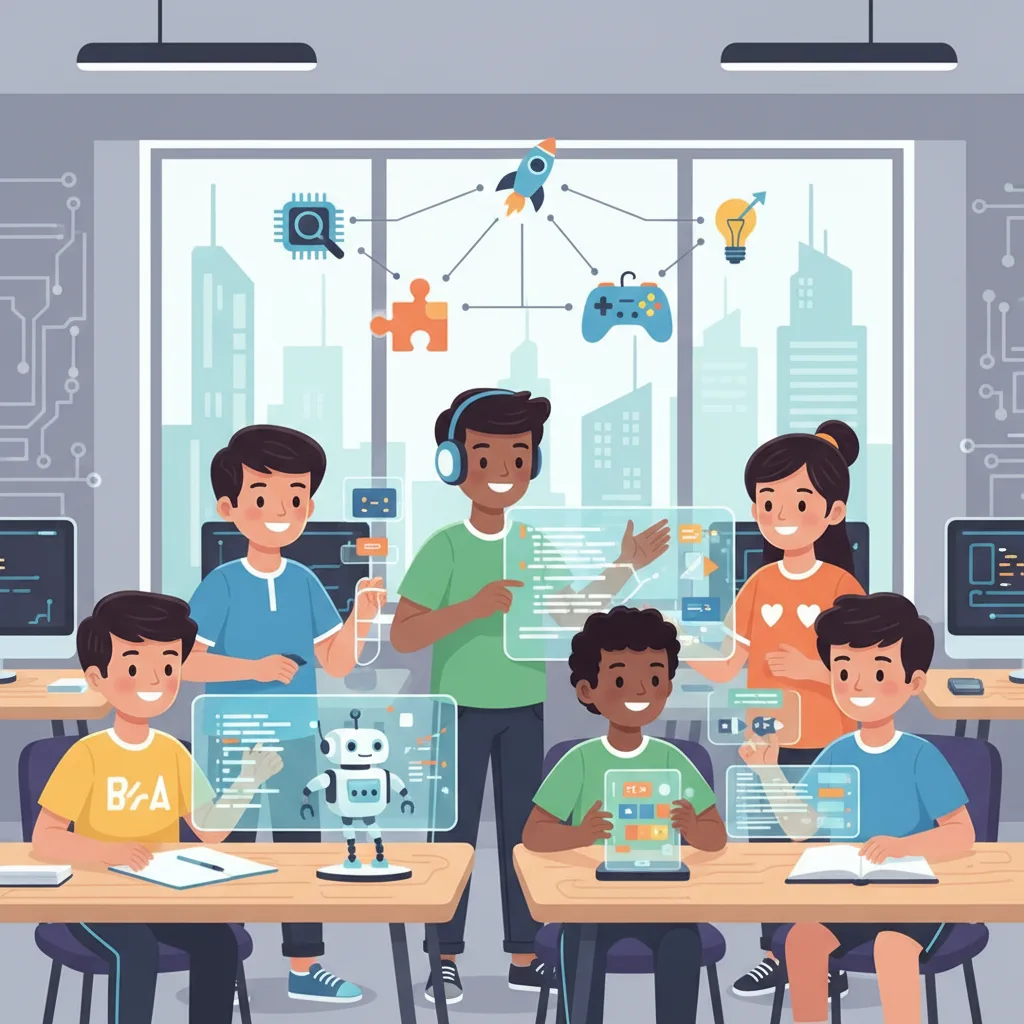
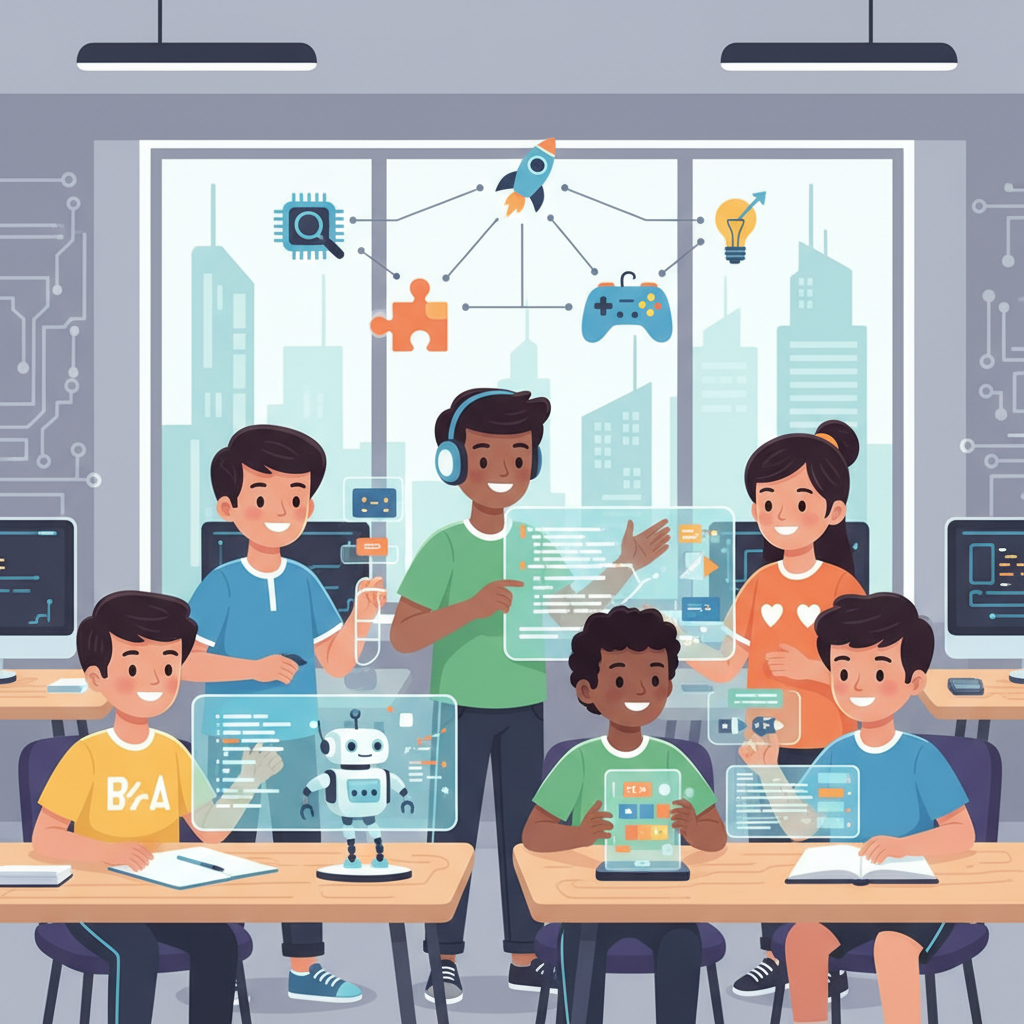
The best coding programs for children do something different. They light up a child’s own drive. A strong program does not teach kids to click buttons in the right order. It moves them from consumer to creator. In a real learning space, students use technology to solve puzzles that matter to them, work shoulder to shoulder with teammates, and build projects they are proud of. That shift, from consuming to creating, is where the growth starts.
When you visit a program, look for the feel of a healthy sports team or a busy workshop. You want a room where technology is the tool and the child is the point. When a kid builds something of their own, they gain ownership over their digital world. They start to see a screen as a place to make things, not a place to disappear into. That is a kind of confidence that stays with them long after the laptop closes.
Why Character Development Matters in Youth Programming
The closest comparison for a strong youth technology program is a good martial arts school. In a great dojo, kids do not train just to punch and block. They train to build discipline, respect, grit, and self-control. The movements are the environment. Character is the outcome. The best technology programs work the same way. The keyboard is the mat. The code is the form. The real goal is a stronger kid who can meet life with resilience and purpose.
Chasing syntax alone is a short-term bet. The programming languages that matter today will look very different by the time an elementary schooler reaches the working world. What lasts is the human stuff, cooperation, persistence, integrity, leadership. When a kids programming course puts those traits first, it prepares a child for any field they eventually choose. A student who works through a stubborn bug without quitting is building persistence. A student who helps a classmate fix an error is learning mentorship. Those are the skills that make a child truly ready for what comes next.
This way of teaching rests on a clear character framework that shapes every lesson. At Love to Code Academy, that framework grows out of the virtues behind healthy relationships, real responsibility, and honest leadership. Woven into the daily rhythm of class, it means every line of code a child writes is also a small step toward growing up. When you look at programs, ask them to name the character traits they build, and ask how those traits actually show up in the room.
How to Evaluate the Pillars of a Quality Curriculum
A real character framework stands on clear pillars you can watch for. Use these four as your checklist so you know a program is built for the whole child, not just a narrow technical skill.
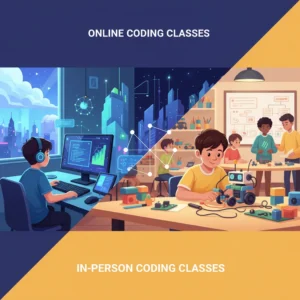
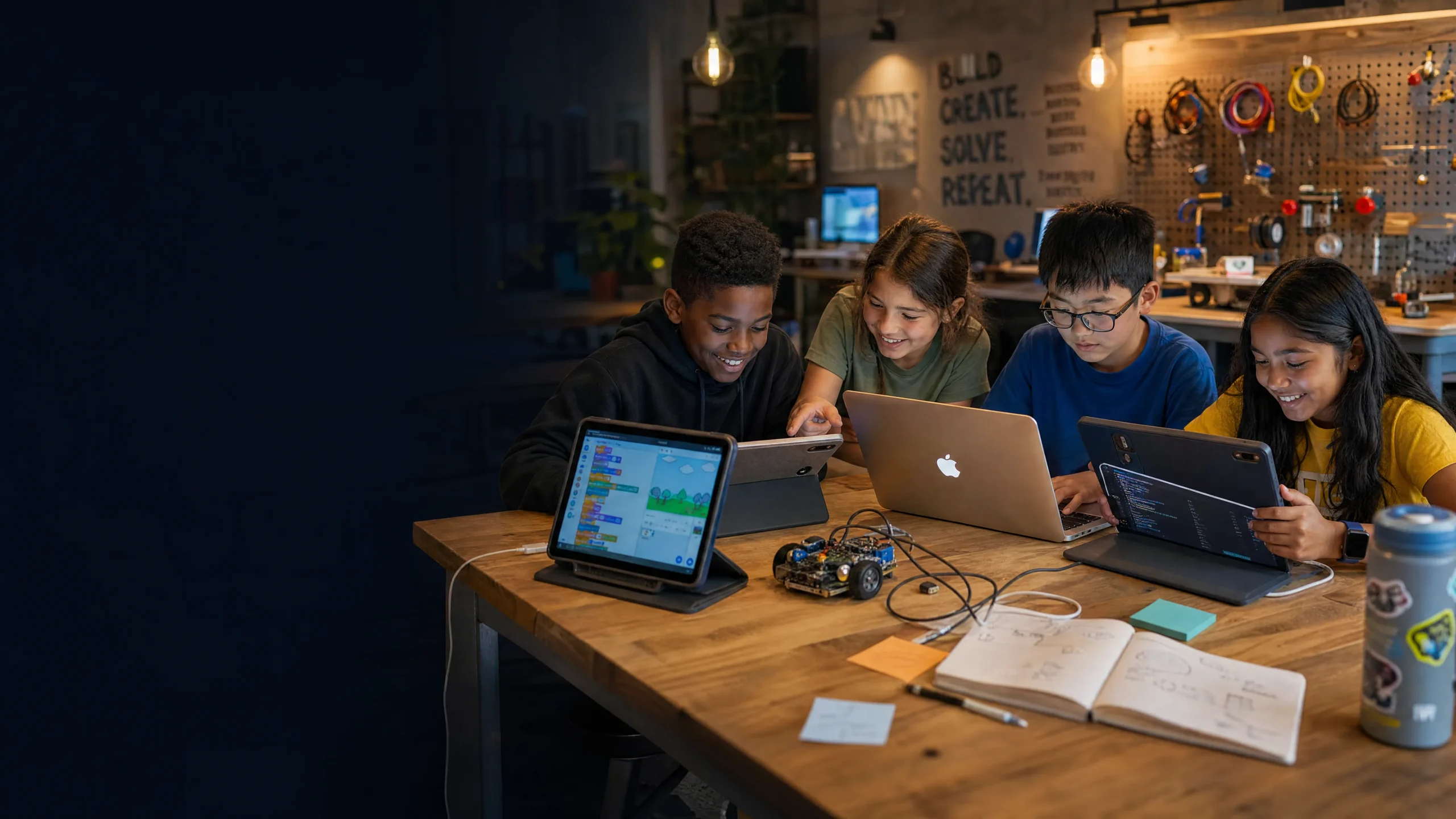
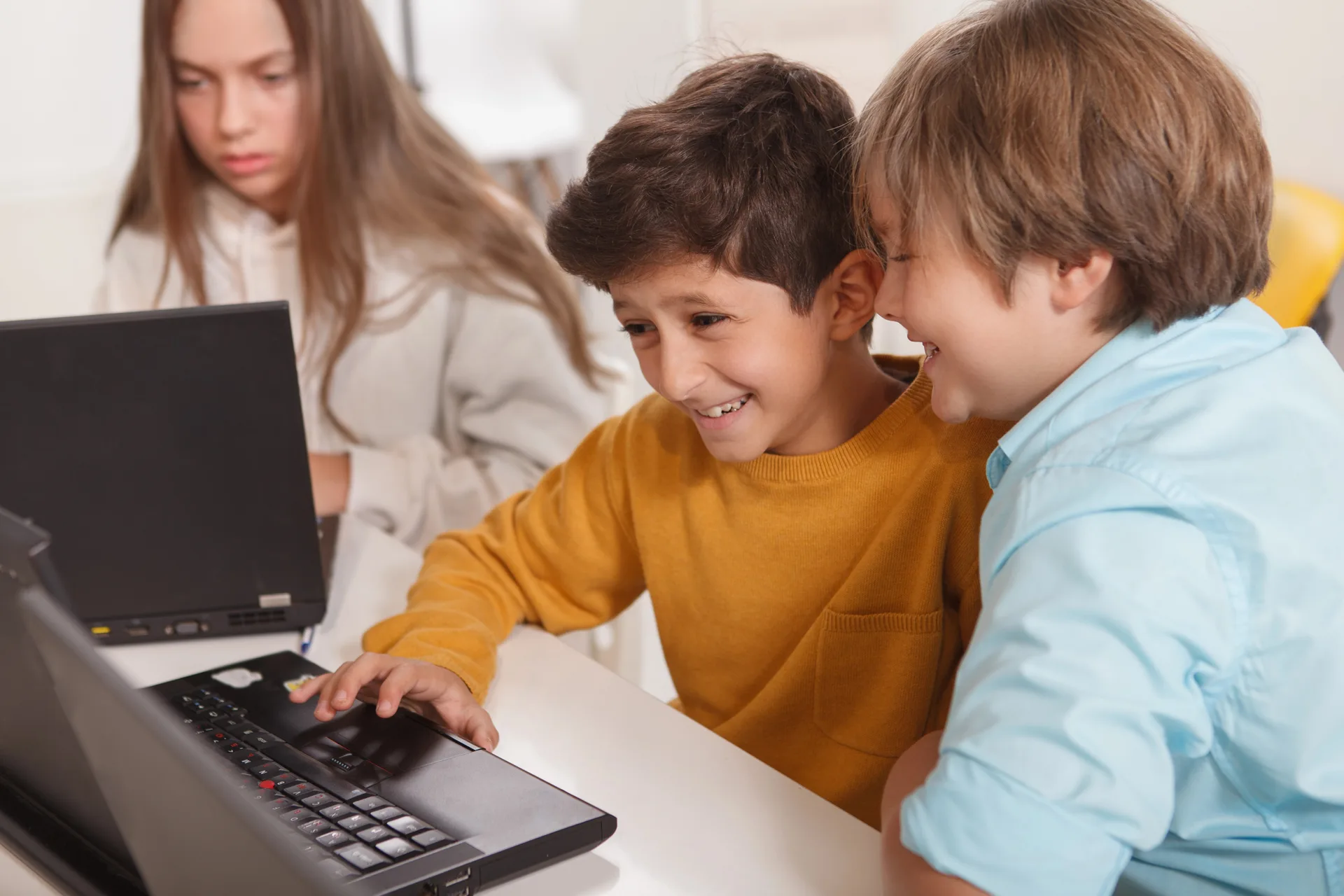
The first pillar is Relationships, which is about how kids treat one another. In a typical computer lab, students sit in separate cubicles with headphones on, cut off from everyone around them. That isolation drains away the best part of learning together. A strong program builds teamwork, harmony, and sportsmanship instead. You see teamwork when kids share materials, take turns at the keyboard, and add to a group project with respect. You see harmony when students keep the room welcoming and lend a hand to a peer who is stuck. And sportsmanship matters most in competitive settings like esports, where kids learn to handle both winning and losing with maturity and respect.
The second pillar is Responsibility, which is about how kids manage themselves. Coding is a steady loop of failing and trying again. A child’s code rarely works on the first try, which makes persistence essential. You see persistence when a student keeps digging at a hard error instead of slamming the laptop shut. Self-control shows up in how a child handles the moment a build fails. And integrity grows when students own their mistakes, admit a flaw in their own logic, and fix it honestly instead of hunting for a shortcut.
The third pillar is Purpose, which is the drive inside the student. Good programs do not lean on bribes and prizes to keep kids engaged. They grow passion and commitment. You see passion in the energy and curiosity a child brings, the pull to try a new idea past the basic assignment. Commitment is the follow-through, the willingness to finish a project after the first excitement fades and the work gets real. When a child feels the satisfaction of finishing something hard, they discover their own motivation, and that changes everything.
The fourth pillar is Leadership, which is purpose in action. Leadership is not a title, and it is not being the smartest kid in the room. It is serving others and lifting the whole group. In an interactive class, it shows up as mentorship and influence. Mentorship happens when an advanced student steps away from their own screen to help a peer understand an idea, guiding them rather than doing it for them. Influence is the ability to raise the tone of a room through example and high standards. A program that builds all four of these pillars is using technology as a vehicle for real growth.
A Structured Path for Young Learners
A child’s growth in technology should follow a clear path, not a random pile of unrelated projects. A step-by-step belt system, borrowed from martial arts, gives that path real shape. Each belt marks an identity milestone, naming who the student is becoming, not just which projects they have finished. It helps kids understand that their progress is tied to their character as much as their technical skill.
The journey opens at the Participant level, the White and Yellow Belts. Here the focus is belonging and practice. A child who does not feel they belong will never really engage or grow. So the goal is a safe, welcoming space the child is excited to return to each week. The character focus is relationships, as students learn to cooperate and build their first real confidence. The White Belt motto is simple, to belong, try, and build, and it sets the mindset for everything that follows.
Next comes the Contributor level, the Orange and Green Belts. Now students move from taking part to taking ownership, and they start contributing to their team’s success. This is the first true test of character, as projects grow more complex and demand sustained effort. The focus is responsibility, following through on a commitment even when no one is watching. Students learn to work through group friction, practice sportsmanship, and take pride in what they add to a shared goal.
Then comes the Creator level, the Blue and Purple Belts. Here students leave the guided path behind and start designing original solutions to real problems. The focus shifts to purpose, as they learn to refine and push their own ideas through deliberate iteration. This stage asks for creative initiative and self-accountability. Students learn to sit with the pressure of an open-ended project and find real joy in turning an idea into something that actually works.
The path ends at the Leader level, the Brown, Red, and Black Belts. At this stage, success looks completely different. A leader is no longer measured by their own performance but by how much they lift the people around them. Brown belt candidates have to show steady character over time before they earn the right to lead. Red belts actively guide and support their peers through hands-on mentorship. Black belts carry leadership as a standard of life, serving as role models across the academy. This path makes sure that as a child’s technical skill grows, their maturity and character grow right alongside it.
Selecting the Ideal Track for Your Child’s Interests
Every child is different, with their own interests, learning style, and social needs. To set them up for a good experience, choose a track that fits their natural bent while still holding them inside a structure that builds character. There are three main tracks worth considering, software development, robotics, and competitive esports.
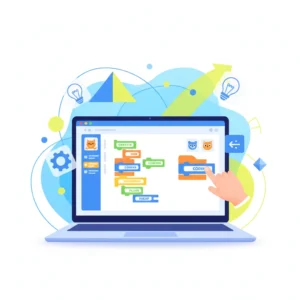
The software development track fits creative thinkers and logical problem solvers. Students design games, build applications, and work through programming challenges. It is a strong environment for deep persistence and clear logic. Code demands precision, since a single misplaced character can stop a whole program from running. Hunting down those errors takes orderly thinking and patience. This track is a great fit for children who love building worlds, writing stories, or designing interactive experiences, giving them a way to turn their ideas into something real.
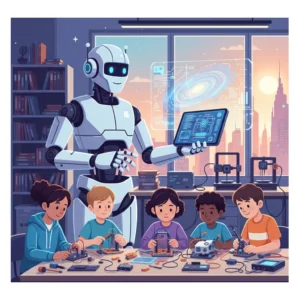
The robotics track is made for hands-on builders and tactile learners. It joins software with physical machines, asking students to design, build, and program something they can hold. Robotics is a rich place for character growth because the challenges are physical and immediate. If the gears are misaligned, the robot will not move, no matter how clean the code is. That feedback teaches kids to troubleshoot mechanical and logical problems at the same time. It also demands real teamwork, since students have to cooperate to assemble parts and coordinate in real time, making it a great choice for kids who love building with their hands and solving puzzles together.
The esports track is built for competitive, team-minded kids. It is worth being clear that a real youth esports program is nothing like gaming alone on the couch at home. At Love to Code Academy, esports is treated as a demanding character environment, not entertainment. It calls for tight team coordination, fast communication under pressure, and sharp tactical thinking. It may be the truest test of self-control, sportsmanship, and leadership there is. Students learn to steady their emotions in high-stakes matches, back their teammates through mistakes, and review their play honestly. For a child who loves gaming but needs a structured, team-based setting, this track turns that interest into real social and emotional skill.
Measuring Success: The Proof of Growth System
A parent investing in an activity should never have to guess whether their child is actually growing. A strong program makes that growth visible through a clear proof of growth system, so progress is measured by real changes in behavior and character, not just a finished curriculum. When you evaluate a program, ask how they track and show a student’s growth.
The first piece is watching for character growth in observable behavior. Coaches should be trained to notice specific actions, a student encouraging a teammate after a failure, staying calm through a frustrating build, owning a mistake. Those moments get noted and shared with parents, giving you concrete evidence of social and emotional growth. It moves past vague phrases like building confidence and gives you real examples of how your child is growing as a person.
The second piece is the capstone presentation. At the end of a project cycle, students do not just hand in their work. They present what they built to a room of coaches, peers, and parents. They walk through their design, name the challenges they hit, and explain how they got past them. Watching a once-shy child stand up and confidently talk through their work is some of the clearest proof of growth there is. It shows technical skill, yes, but also communication, poise, and genuine pride.
The last piece is the Lab Tech Leadership Pathway, made for advanced students ready to put their leadership to work. These students are trained to assist coaches, mentor younger kids, and help hold the academy’s standards. It gives them a real chance to practice leadership in action, turning their own growth into service for others. When a parent sees their child patiently mentoring a younger peer, they are watching the whole point of the program come to life.
Guiding Your Child’s Journey Beyond the Screen
Choosing the right program for your child is about far more than finding a place to learn syntax. It is about finding a community that supports who your child is becoming. As you compare options, look past the technical curriculum and pay attention to the environment, the coaching, and the values underneath it all. The right program treats technology as the canvas and character as the masterpiece.
To decide well, look for programs with low-risk ways to start, like a four-week intro class or structured summer camps. A short experience lets your child feel out the environment and lets you see if it fits. While you are there, watch how the instructors work with the kids. A good coach does not just answer technical questions. They coach character. They use guided questions to help a student solve their own problem, building persistence and self-reliance instead of just handing over the answer.
In the end, the best program is one that partners with you to help your child grow into someone confident, responsible, and kind. When you choose a program that puts character first and uses technology to get there, you help your child turn passive screen time into purposeful growth. Your child learns to build real things, and along the way builds the resilience and purpose they will need in every part of life. We grow kids, not just coders.